
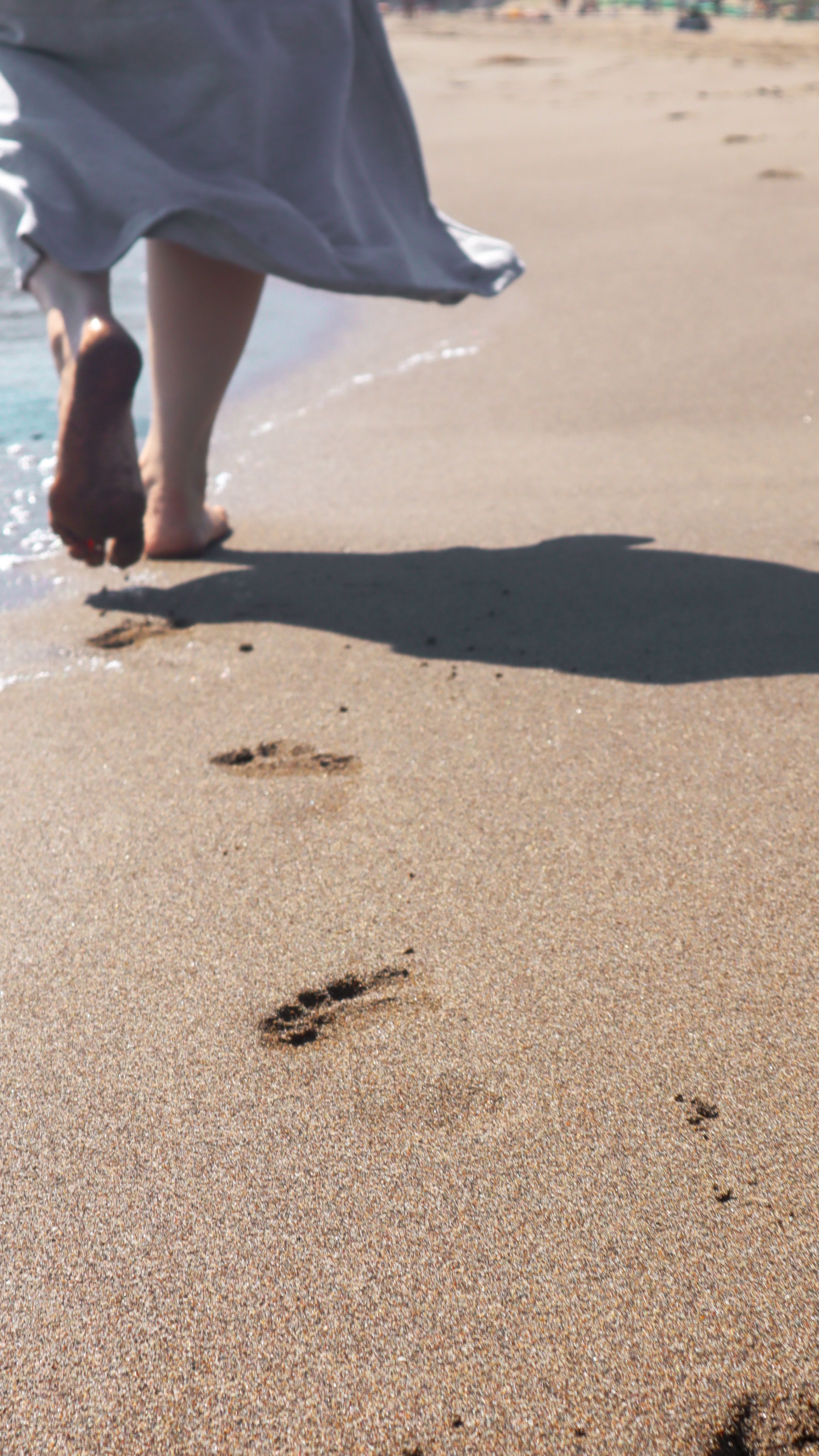
Introduction: Shoes Are Never Just Shoes
When people hear the title The Shoeless Visionary, many immediately assume it is a story about poverty. It is not. Poverty is merely the setting.
The story is about vision.
Throughout history, shoes have carried meanings far beyond their practical function. They protect our feet, but they also communicate identity, social status, occupation, readiness, and even purpose. Soldiers wear combat boots. Athletes wear running shoes. Judges, farmers, teachers, and construction workers each wear footwear suited to their calling. Shoes often tell us where a person is going long before they arrive.
Ironically, I spent much of my childhood without shoes.
Growing up barefoot was not a lifestyle choice; it was my reality. Like many children raised in rural Kenya under difficult economic circumstances, I walked to and from school often in sandals or plastic shoes known as sandak. This introduced me to the occasional embarrassment of arriving at school with dusty feet while others wore polished or nice rubber shoes.
Looking back, I realize that those years taught me lessons no classroom could have offered. I discovered that while shoes protect your feet, vision protects your future.
Today, whenever I see a pair of shoes, I no longer think first about leather or fashion. I think about journeys. Every pair carries a story, and every journey raises a question:
Where are these shoes taking you?
Shoes Have Always Symbolized More Than Footwear
Anthropologists have long observed that clothing and footwear communicate identity, belonging, and social meaning. Across cultures, shoes often represent one's place in society, occupation, readiness, and transition from one stage of life to another.
In many African communities, a child's first pair of school shoes symbolizes entry into formal education. Military boots symbolize duty. Wedding shoes symbolize a new beginning. Even today, many graduation ceremonies are remembered as much for the confident walk across the stage as for the certificate itself.
Shoes tell stories.
- Sometimes they tell stories of privilege.
- Sometimes they tell stories of struggle.
- Sometimes they tell stories of perseverance.
For me, the absence of shoes became part of my story—not because being barefoot defined my worth, but because it shaped my perspective.
As Ruth Omondi observes in The Shoeless Visionary, walking barefoot meant learning the "tricks of slimy mud," enduring sharp stones and thorns, and cleaning muddy feet before entering the classroom while classmates sometimes mocked my appearance.
Yet those same experiences became part of the making of a visionary rather than the breaking of one.
Walking Barefoot Taught Me That Progress Is Not Determined by Comfort
Modern society often associates comfort with success. The easier the journey appears, the more successful we assume someone has become.
Life rarely works that way. Some of the strongest people I know developed their character in uncomfortable places.
Walking barefoot taught me that progress is possible even when circumstances are imperfect.
Every journey to school required attention. Every step demanded awareness. Every rough path reminded me that movement was still possible despite discomfort.
I often think about a lesson hidden within those years.
The ground did not become softer because I wished it would. I simply learned how to walk across it.
That lesson has followed me into adulthood where projects become difficult, careers encounter setbacks, businesses experience losses, relationships require patience, and leadership demands sacrifice.
The ground changes. Purpose remains.
Society Often Looks at Shoes Before It Looks at Character
Human beings naturally form impressions based on appearance. Psychologists refer to this tendency as thin slicing, the rapid judgments people make using limited information.
Research by Nalini Ambady and Robert Rosenthal demonstrated how quickly people draw conclusions from first impressions, often before meaningful interaction has occurred.
Appearance certainly matters. Professional presentation communicates respect, preparation, and confidence. Yet appearance should never become the measure of human potential.
As a child, I sometimes experienced the painful reality of being judged because I lacked proper shoes and a complete school uniform.
Those experiences affected my confidence for a season, but they also strengthened my resolve to build a life that would eventually be measured by contribution rather than appearance.
Years later, I came to understand something more important:
People may notice your shoes, but time reveals your character.
Shoes create first impressions, but character sustains lasting influence.
Leadership, therefore, cannot be built on appearance alone. It must rest on integrity, competence, humility, and service.
Shoes Protect the Feet. Vision Protects the Journey.
One of the greatest misconceptions about success is believing that resources create direction. Often, direction comes first. Resources follow.
When I walked to school without proper shoes, I lacked protection for my feet. What I did not lack was a reason for walking.
Education represented possibility, and purpose made every step meaningful.
Viktor Frankl, in Man's Search for Meaning, argued that people can endure extraordinary hardship when they possess a compelling reason to continue.
His observation resonates deeply with my own experience.
Purpose does not eliminate pain. It gives pain meaning.
Looking back, I realize I was not simply walking to school. I was walking toward a future I had already begun to imagine.
Wearing Someone Else's Shoes: The Gift of Mentorship
There is another powerful meaning attached to shoes in my story.
Across many cultures, the expression "walking in someone else's shoes" represents empathy—the willingness to understand another person's experiences before passing judgment.
Mentorship operates on a similar principle. Mentors do not remove your journey. They shorten your learning curve.
When I titled one chapter of my biography May I Wear Your Used Shoes, I wanted readers to reflect on something deeper than footwear.
The chapter invites us to recognize the value of learning from those who have already travelled ahead of us. We do not inherit only their achievements; we inherit their wisdom, their mistakes, and their resilience.
Every meaningful mentor offers us figurative shoes—not so that we become copies of them, but so that we avoid unnecessary detours along the journey.
John C. Maxwell often reminds leaders that growth accelerates when we intentionally learn from those with greater experience.
I have found this to be consistently true in my own journey.
No visionary succeeds entirely alone. Someone, somewhere, helped prepare the road.
The Biblical Meaning of Shoes
The Bible frequently uses shoes and sandals as symbols of readiness, humility, authority, and sacred purpose.
When Moses encountered God at the burning bush, he was instructed:
"Take off your sandals, for the place where you are standing is holy ground." (Exodus 3:5)
Removing his sandals symbolized reverence and surrender before a greater calling.
In the New Testament, the Apostle Paul encourages believers to have their "feet fitted with the readiness that comes from the gospel of peace" (Ephesians 6:15).
Here, footwear symbolizes preparation, readiness, and purposeful movement.
These passages remind us that our feet—and by extension, our journeys—are never merely physical. They represent the direction of our lives.
Whether barefoot or well-shod, the question remains the same: Where are your feet taking you?
Leadership Is Measured by the Paths We Create for Others
As I have reflected on my own journey, another lesson has become increasingly clear.
Leadership is not about wearing impressive shoes. It is about leaving meaningful footprints because a leader creates opportunities for others.
- A teacher opens doors.
- A parent prepares the next generation.
- A mentor clears obstacles.
- An entrepreneur creates employment.
The measure of leadership is therefore not what we wear. It is what we leave behind.
One day, someone else will walk where we once walked.
The question is whether we made the journey easier for them.
From Bare Feet to Bigger Dreams
There is a temptation to believe that changing our external circumstances automatically changes our internal lives. Sometimes it does. Sometimes it does not.
Many people eventually acquire the things they once desired:
- Better shoes
- Better houses
- Better jobs
- Greater income
Yet they remain uncertain about their purpose.
My own journey has convinced me that vision precedes possessions.
I first imagined a different future while sitting in a modest rural home. I imagined possibilities before I possessed resources.
This is why I encourage young people never to postpone dreaming until conditions improve.
Dream where you are.
Prepare where you are.
Grow where you are.
Walk faithfully from where you are.
Purpose often begins long before prosperity arrives.
Practical Reflections for SOLVIS Participants
-
Examine Your Direction
Ask yourself: "Where are my daily decisions taking me?" Every step matters.
-
Value Character Above Appearance
Presentation is important. Character is indispensable. Build both.
-
Learn From Those Who Have Walked Ahead
Seek mentors. Study biographies. Listen carefully. Borrow wisdom before borrowing success.
-
Do Not Allow Your Circumstances to Define Your Identity
Your current situation is part of your story. It is not the conclusion.
-
Become Someone Others Can Follow
Live in such a way that your own journey becomes a path others can confidently walk after you. That is leadership.
Reflection for the Visionary
When I look back on the years I spent walking without proper shoes, I no longer remember them with embarrassment. I remember them with gratitude.
Those years taught me resilience before I knew the word. They taught me attentiveness before I understood leadership. They taught me humility before I discovered influence.
Most importantly, they taught me that life is never defined by what covers your feet. Rather, it is defined by what guides your steps.
Many people spend their lives searching for better shoes. Few spend time asking whether they are walking in the right direction.
I eventually acquired shoes. But that was never the greatest victory.
The greatest victory was refusing to allow the absence of shoes to become the absence of vision.
Today, whenever I meet a young person struggling with circumstances beyond their control, I remember the barefoot boy who walked dusty village paths believing that education, purpose, and perseverance could change his future.
He was right.
Not because the journey became easier.
But because he kept walking.
The SOLVIS Reflection
At Solve With Vision (SOLVIS), we believe that your circumstances do not define your identity, and your appearance does not determine your potential. What matters most is the direction of your life, the character you build along the way, and the footprints you leave for others to follow. Whether your journey begins with abundance or adversity, purpose gives every step meaning. Walk with vision. Lead with character. Leave a path that inspires others.
References
- Ambady, N., & Rosenthal, R. (1993). Half a Minute: Predicting Teacher Evaluations from Thin Slices of Nonverbal Behavior and Physical Attractiveness. Journal of Personality and Social Psychology.
- Frankl, V. E. (2006). Man's Search for Meaning. Beacon Press. (Original work published 1946.)
- Maxwell, J. C. (2007). The 21 Irrefutable Laws of Leadership. Thomas Nelson.
- The Holy Bible (New International Version). Exodus 3:5; Ephesians 6:15.